Articles & Insights

Ceramic & Stoneware Blog

Explore industry trends, OEM ceramic manufacturing guides, tableware design ideas, and expert tips from ARTWAY Thailand.

Blog

7 Best Stoneware Dinner Plates for Global Buyers

7 Best Stoneware Dinner Plates for Global Buyers

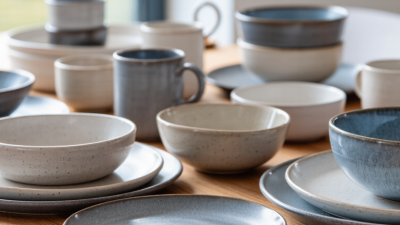
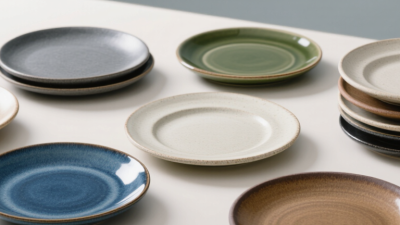
Buying dinnerware across borders means weighing more than appearance. Stoneware dinner plates must suit everyday meals, shipping conditions, and varied dining styles. Grand View Research’s Ceramic Tableware Market Size, Share & Trends Analysis Report estimated the global market at USD 10.7 billion in 2022 and forecast a 6.0% compound annual growth rate from 2023 to 2030. The figure covers ceramic tableware broadly, not stoneware alone, but it signals a substantial and expanding category. For global buyers, the best plate is not simply the heaviest or most decorative. Check dimensions, weight, glaze consistency, stackability, and packaging protection. A broad rim can frame food beautifully, yet reduce usable surface area. Matte glazes feel tactile, but may show cutlery marks more clearly. Small details matter. Ask suppliers for sample pieces and clear specifications before comparing bulk quotes. That extra step can prevent costly surprises. Food-contact documentation deserves equal attention. ISO 6486-1:2019 sets test methods for lead and cadmium release from ceramic ware, glass-ceramic ware, and glass dinnerware. Buyers should request relevant test reports and confirm that product claims match the actual glaze and production batch. This guide compares seven stoneware options through practical criteria: design, durability, care, value, and supplier transparency. No plate fits every market. A restaurant’s sturdy, stackable choice may feel too plain for a boutique retailer, and that trade-off is worth acknowledging.
Read more »
Elowen By:Elowen - November 9, 2026
2026 Best Ceramic Canisters With Lids For Global Buyers

2026 Best Ceramic Canisters With Lids For Global Buyers

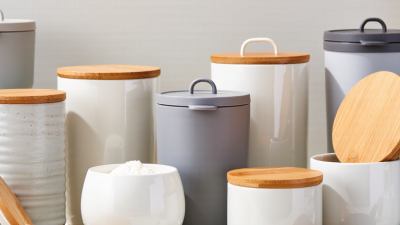
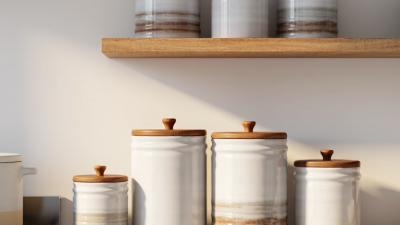
Choosing the right ceramic canisters with lids can improve storage, presentation, and daily kitchen habits. In 2026, global buyers face more choices, from hand-finished stoneware to smooth porcelain with bamboo, silicone, or ceramic seals. Each material behaves differently. This guide examines practical details that product photos often hide. We consider lid fit, glaze quality, wall thickness, capacity, moisture resistance, cleaning needs, and shipping protection. A tight lid should close smoothly without scraping the rim. A dependable canister should also stand steadily on a crowded countertop. For coffee, tea, flour, sugar, spices, and snacks, the correct size matters as much as appearance. Oversized containers may waste space, while narrow openings can make scooping frustrating. Our recommendations are informed by product specifications, user-focused evaluation, and common quality checks used in kitchenware purchasing. We also consider food-contact information, care instructions, packaging strength, and regional import expectations. Buyers should verify current supplier documents and local requirements before ordering large quantities. Standards and seller policies can change. Small flaws matter. Handmade surfaces may show slight color variation. That can add character, but it may also reduce uniformity across a set. Silicone seals can improve freshness, yet they may require more careful cleaning. Ceramic lids look elegant, although they can be heavier and more fragile during delivery. We will not treat every attractive design as a reliable choice. Instead, this overview helps buyers compare real performance, long-term value, and visual appeal with clearer expectations.
Read more »
Elowen By:Elowen - October 25, 2026
How to Choose Stoneware Serving Bowls in 2026?

How to Choose Stoneware Serving Bowls in 2026?

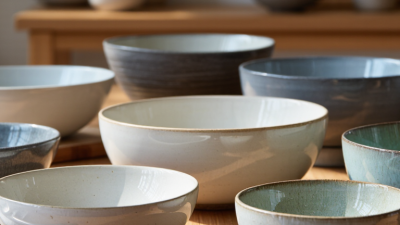
Choosing Stoneware serving bowls in 2026 requires more than matching colors with your dining room. The best bowl must support real meals, repeated washing, and changing presentation styles. It should feel balanced when lifted, stable when filled, and comfortable against the table. Small details matter. A narrow foot can improve stability. A gently curved rim can make serving easier. Ceramic educator Simon Leach expresses this practical idea clearly: “Make it useful, then make it beautiful.” That principle remains valuable when comparing modern stoneware collections. Inspect the clay body, glaze consistency, wall thickness, and listed firing temperature. Look for surfaces without sharp edges, pinholes, or uneven glaze pooling. A beautiful bowl can still disappoint if it chips easily or feels awkward in one hand. This guide examines the details shoppers often overlook. We will consider capacity, weight, heat performance, cleaning needs, and everyday durability. We will also discuss reactive glazes, handmade variation, and sustainable production claims. Some imperfections are attractive. Others signal poor quality. The difference is not always obvious. My own preference has changed over time. I once valued dramatic glaze effects above everything else. Later, I noticed those bowls were difficult to stack and too heavy for daily use. That experience deserves attention. A serving bowl should look special, but it must earn its place at the table. No checklist is perfect. Your cooking habits, storage space, and household routines should shape the final decision.
Read more »
Rosalie By:Rosalie - October 15, 2026
2026 Top Ceramic Baking Dish Types for Global Buyers

2026 Top Ceramic Baking Dish Types for Global Buyers

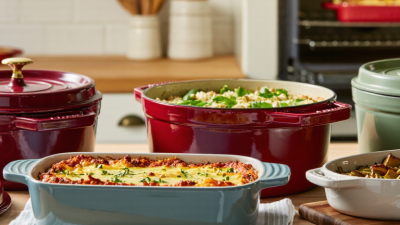
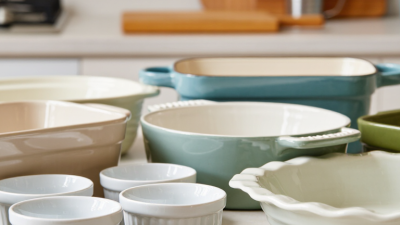
Choosing the right Ceramic baking dish in 2026 requires more than comparing shapes, colors, and prices. Global buyers must consider cooking performance, shipping risks, customer habits, and regional compliance requirements. A rectangular stoneware dish may suit family casseroles, while a small porcelain ramekin fits desserts, sauces, and controlled portions. Round dishes can serve pies attractively, but their curved edges may reduce packing efficiency. Details matter. Small details matter. This guide examines practical ceramic baking dish types for importers, retailers, hospitality suppliers, and private-label brands. It considers heat distribution, glaze durability, thermal-shock resistance, oven compatibility, handles, stacking space, and packaging protection. During product evaluation, buyers should request material specifications, food-contact test reports, temperature guidance, and sample units. A dish that performs well in a showroom may crack after repeated heating, cooling, washing, and overseas transport. That assumption often fails. Reliable sourcing also requires checking supplier consistency, not only one attractive sample. Compare wall thickness, base flatness, glaze coverage, rim strength, and carton protection across multiple production batches. Local food-contact rules and labeling requirements may differ between markets, so professional verification remains essential. No single design wins everywhere. Budget buyers may prioritize durability, while premium retailers may value handmade texture and presentation. This overview offers a practical starting point, but specifications should be confirmed before purchase orders, especially when products will face commercial kitchens, frequent delivery, or demanding seasonal sales.
Read more »
Rosalie By:Rosalie - October 10, 2026
2026 Top Ceramic Bathroom Accessories Set Suppliers

2026 Top Ceramic Bathroom Accessories Set Suppliers

Choosing a Ceramic bathroom accessories set in 2026 involves more than matching colors. Buyers need dependable materials, accurate dimensions, safe packaging, and responsive supplier support. This guide examines leading suppliers through practical criteria. These include ceramic density, glaze consistency, edge finishing, water resistance, production capacity, and quality control. A reliable supplier should provide clear specifications, inspection records, sample approval, and traceable packaging. Look closely at wall-mounted pieces. Their fixing points must align correctly, especially on uneven bathroom surfaces. Small details matter. Ceramic artist and writer Edmund de Waal once said, “I am interested in the way objects carry memory.” That perspective fits bathroom accessories. A soap dish may show fingerprints, water marks, and daily wear within weeks. Its shape must remain useful, not merely attractive. Matte finishes can feel refined, but they may reveal residue more easily. Glossy glazes clean quickly, yet scratches can become visible under strong lighting. No supplier ranking is perfect. Market prices change, factory schedules shift, and polished samples can hide production weaknesses. That is why this overview considers evidence instead of catalog language alone. It compares supplier experience, material expertise, customization options, export reliability, and after-sales communication. Sustainable clay sourcing and reduced packaging waste also deserve attention, although supplier claims still require verification. The strongest companies combine design control with manufacturing discipline. They understand hospitality projects, residential bathrooms, and retail expectations. This introduction prepares readers to compare the 2026 Top Ceramic Bathroom Accessories Set Suppliers with greater confidence, practical caution, and realistic expectations.
Read more »
Evelyn By:Evelyn - October 5, 2026
China Top Stoneware Dinnerware Sets for Global Buyers

China Top Stoneware Dinnerware Sets for Global Buyers

China has become a major sourcing destination for Stoneware dinnerware sets, serving restaurants, retailers, hotels, and household brands worldwide. Its factories combine established ceramic traditions with scalable production, modern glazing, and flexible customization. Buyers can find matte plates, reactive-glaze bowls, stackable mugs, and coordinated serving pieces from one supply chain. Details matter. A reliable evaluation should examine clay composition, firing temperature, glaze consistency, rim strength, and food-contact safety documentation. It should also consider packaging performance. A beautifully finished plate means little if cracked pieces arrive after a long shipment. Factory audits, sample approval, production inspections, and clear testing records help reduce avoidable risks. Yet no supplier is perfect. Glaze variation may appear between batches, especially with handmade-looking finishes. That imperfection can add character, but it may also challenge strict retail matching. Ceramic artist and author Edmund de Waal once said, “Ceramics is a way of thinking with your hands.” His observation reflects the balance behind every successful collection. Stoneware dinnerware sets must feel practical in a buyer’s hands, not merely attractive in a catalog. The best Chinese manufacturers understand this balance through repeated production experience. They refine shapes, test durability, and adjust finishes for different markets. Global buyers should still ask difficult questions about lead and cadmium testing, dishwasher suitability, microwave use, carton strength, minimum order quantities, and replacement policies. Price remains important, but it should not control every decision. A lower quotation can hide weaker packaging, inconsistent color, or limited after-sales support. This guide explores China’s leading stoneware suppliers and the purchasing checks that can turn a promising sample into a dependable global product line.
Read more »
Evelyn By:Evelyn - September 30, 2026
10 Best Decorative Ceramic Home Decor Ideas for Buyers

10 Best Decorative Ceramic Home Decor Ideas for Buyers

Decorative ceramic home decor can make a room feel warmer, more personal, and visually complete. A hand-finished vase beside a window catches changing daylight. A textured bowl can soften the clean lines of a modern console. Yet attractive design should not replace practical judgment. Buyers should examine weight, glaze quality, surface consistency, and the stability of each piece. The pioneering ceramicist Bernard Leach once said, “The potter’s art is the art of the fire.” His words highlight the craft behind every fired object. Temperature, clay composition, and glazing methods influence color, strength, and texture. That expertise matters when choosing decorative ceramics for busy homes. A delicate sculpture may suit a quiet shelf, while a heavier planter may work better in an entrance. Check the dimensions carefully. Small errors can make a carefully planned display feel crowded. This guide explores 10 Best Decorative Ceramic Home Decor Ideas for Buyers. It considers style, maintenance, placement, and long-term value. Some pieces will look beautiful online but feel underwhelming in person. That happens. Product photographs can hide uneven finishes, sharp edges, or limited scale. Buyers should read material details and inspect customer reviews before purchasing. Handmade variation is not always a defect, but it should be explained clearly. Glazed surfaces may also show fingerprints or water marks. Use a soft cloth and avoid harsh cleaners. Most importantly, choose pieces that support your daily life, not only current trends. A good ceramic object should earn its place.
Read more »
Rosalie By:Rosalie - September 20, 2026
7 Best Custom Ceramic OEM Manufacturers for Global Buyers

7 Best Custom Ceramic OEM Manufacturers for Global Buyers

Global ceramic sourcing is moving beyond price comparisons. Buyers now examine formulation control, mold accuracy, firing consistency, and documented quality systems. The global ceramics market was valued at approximately USD 239.5 billion in 2023, according to Fortune Business Insights. Its report also projects continued growth through 2032. However, broad market figures can hide major differences between tableware, technical ceramics, and architectural products. That distinction matters when selecting a Custom ceramic OEM manufacturer. A capable partner should convert a drawing into a stable production process. It should also manage clay or powder preparation, slip casting or pressing, glazing, kiln curves, inspection, and export packaging. Prof. C. Barry Carter, a respected ceramic materials researcher, explains the core principle: “Processing controls performance.” The sentence is short. Its implication is not. This guide reviews seven manufacturers serving global buyers. Each profile considers factory experience, customization depth, quality documentation, minimum order quantities, tooling support, and communication practices. ISO certification helps, but it does not prove every batch will match a reference sample. Ask for test reports. Request fired samples. Check carton protection with real handling conditions. Some supplier claims remain difficult to verify online. That is an uncomfortable limitation. Therefore, the ranking should support due diligence, not replace it. Reports from Fortune Business Insights, Grand View Research, and public company records provide useful market context, but supplier-level decisions require direct evidence. A reliable OEM relationship is built through repeatable samples, clear tolerances, transparent corrective actions, and realistic delivery promises.
Read more »
Rosalie By:Rosalie - September 11, 2026
How to Choose a Ceramic Tableware Manufacturer?

How to Choose a Ceramic Tableware Manufacturer?

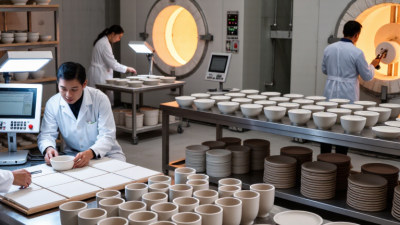
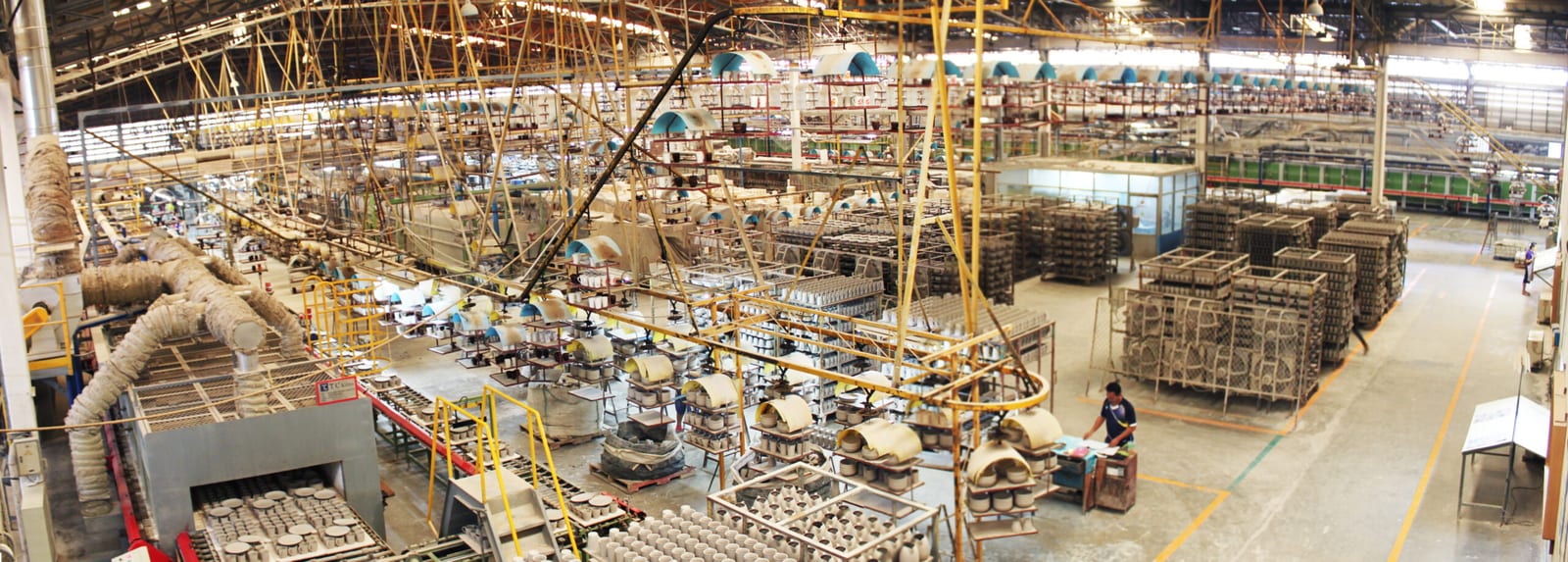
Choosing a reliable ceramic tableware manufacturer requires more than comparing prices and catalog photographs. The real decision begins with the factory floor. Look for clean forming areas, controlled kiln rooms, documented glaze recipes, and workers who inspect rims by hand. A bright showroom can hide inconsistent wall thickness, pinholes, or warped plates. I have seen attractive samples fail after repeated dishwasher cycles. That lesson is easy to overlook. Bernard Leach, a pioneering ceramic educator, said, “The potter’s wheel is the best teacher.” His statement still matters in modern Ceramic tableware manufacturing. Skilled production teams understand how clay moisture, pressure, drying time, and firing temperature affect the final piece. Ask how the manufacturer controls these variables. Request production samples, not only presentation samples. Check food-contact documentation, testing records, packaging strength, and replacement procedures. These details reveal operational maturity. A capable supplier should explain its process without vague promises. Confirm whether the factory manages molding, glazing, firing, inspection, and packing internally. Outsourcing is not automatically a weakness, but unclear responsibility creates risk. Review communication speed, minimum order quantities, lead times, and experience with your product category. A manufacturer may produce excellent hotel plates yet struggle with delicate hand-painted bowls. The best choice depends on your design, volume, market, and tolerance for variation. No checklist is perfect. Human judgment still matters. Visit the facility when possible, speak with quality staff, and examine a fresh production batch. A small imperfection may be harmless, while a hidden crack can become a serious complaint. Choose the partner that proves consistency, admits limitations, and improves when something goes wrong.
Read more »
Rosalie By:Rosalie - September 11, 2026