Articles & Insights

Ceramic & Stoneware Blog

Explore industry trends, OEM ceramic manufacturing guides, tableware design ideas, and expert tips from ARTWAY Thailand.

0%

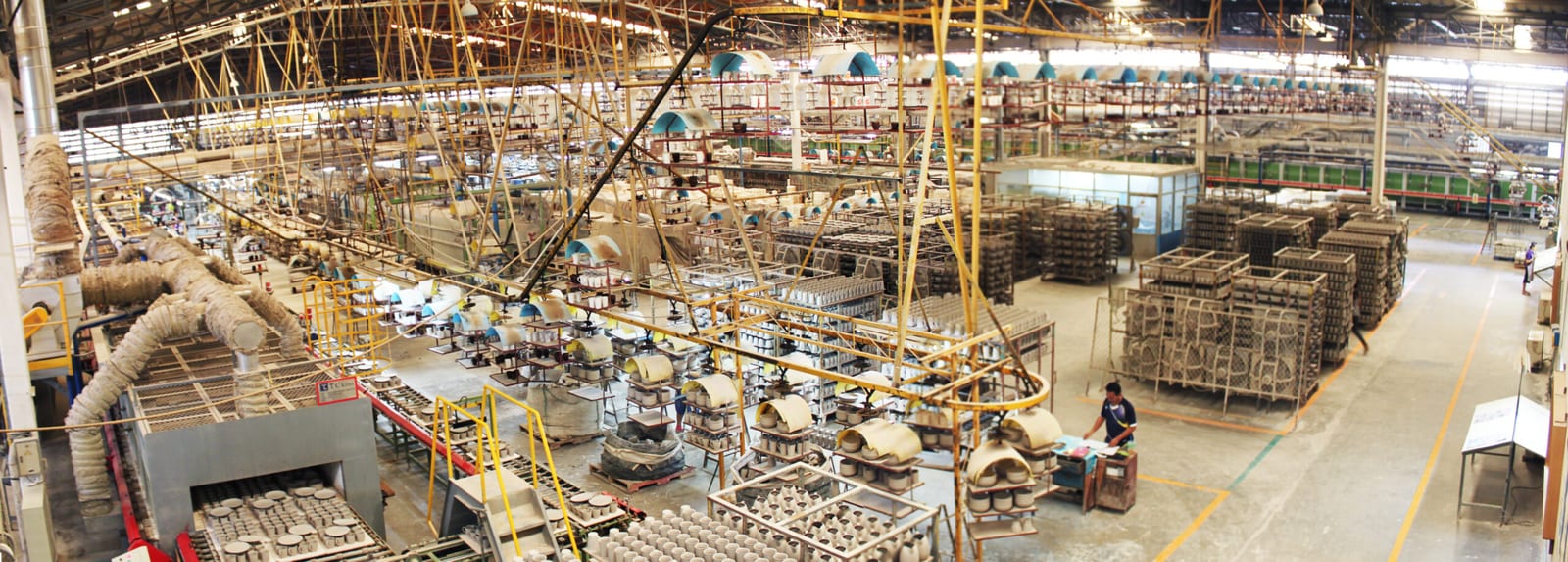
Choosing a reliable ceramic tableware manufacturer requires more than comparing prices and catalog photographs. The real decision begins with the factory floor. Look for clean forming areas, controlled kiln rooms, documented glaze recipes, and workers who inspect rims by hand. A bright showroom can hide inconsistent wall thickness, pinholes, or warped plates. I have seen attractive samples fail after repeated dishwasher cycles. That lesson is easy to overlook.

Bernard Leach, a pioneering ceramic educator, said, “The potter’s wheel is the best teacher.” His statement still matters in modern Ceramic tableware manufacturing. Skilled production teams understand how clay moisture, pressure, drying time, and firing temperature affect the final piece. Ask how the manufacturer controls these variables. Request production samples, not only presentation samples. Check food-contact documentation, testing records, packaging strength, and replacement procedures. These details reveal operational maturity.

A capable supplier should explain its process without vague promises. Confirm whether the factory manages molding, glazing, firing, inspection, and packing internally. Outsourcing is not automatically a weakness, but unclear responsibility creates risk. Review communication speed, minimum order quantities, lead times, and experience with your product category. A manufacturer may produce excellent hotel plates yet struggle with delicate hand-painted bowls. The best choice depends on your design, volume, market, and tolerance for variation.

No checklist is perfect. Human judgment still matters. Visit the facility when possible, speak with quality staff, and examine a fresh production batch. A small imperfection may be harmless, while a hidden crack can become a serious complaint. Choose the partner that proves consistency, admits limitations, and improves when something goes wrong.
How to Choose a Ceramic Tableware Manufacturer?

Define Your Ceramic Tableware Product Requirements

Before choosing a ceramic tableware manufacturer, define the product in measurable terms. Describe each item’s purpose, shape, dimensions, capacity, color, and expected quantity. A dinner plate for daily use needs different specifications from a decorative serving piece.

Specify the clay body, glaze finish, firing temperature, and surface texture. Mention whether the tableware must be microwave-safe, dishwasher-safe, or suitable for food contact. Set acceptable limits for pinholes, color variation, warping, and edge roughness. Small details matter. A two-millimeter size difference can affect stacking and packaging.

Request a physical sample made with the intended materials and production method. A handmade prototype may not represent factory output accurately. Ask for test records, inspection procedures, production tolerances, and packaging details. Confirm carton strength and protection around fragile rims. Product requirements should also include delivery schedules, order quantities, and replacement terms. These points expose manufacturing risks early. However, perfection is difficult. Glaze colors can shift slightly between kiln firings, even under controlled conditions. Allowing a reasonable color range may reduce waste, but an overly broad range can damage consistency. Review the sample beside your actual lighting and table setting. Then revise the specification before approving mass production.

Assess Manufacturer Experience, Capabilities, and Production Standards

Choosing a ceramic tableware manufacturer requires more than reviewing product photographs. Assess experience through years in export production, material knowledge, and documented results. Ask for recent test reports, defect records, and samples from ordinary production runs. A perfect showroom sample proves little.

Manufacturing capability should match your product’s real demands. Check clay preparation, molding, glazing, kiln control, decoration, packing, and inspection capacity. The 2023 ISO Survey recorded 1,265,216 ISO 9001 certificates worldwide. However, certification shows a management system, not automatically excellent tableware. Visit the factory when possible. Observe dust control, glaze storage, kiln loading, and how workers separate cracked pieces.

Production standards need measurable evidence. Request testing for lead and cadmium migration, thermal shock, water absorption, dimensional tolerance, and glaze durability. European food-contact rules set specific migration limits for ceramic articles, while local requirements may differ. Confirm the laboratory’s accreditation and test-method version. Good records matter.

Small details reveal experience. Does the manufacturer check foot-ring flatness before packing? Are color samples compared under consistent lighting? Can the team explain why pinholes appear after firing? These answers show practical expertise. Yet even experienced factories make mistakes. I would treat vague delivery promises as a warning, not a guarantee of failure. A supplier’s reliability should come from repeated records, corrective-action reports, and transparent communication, rather than confident claims.

Verify Materials, Testing Procedures, and Quality Control

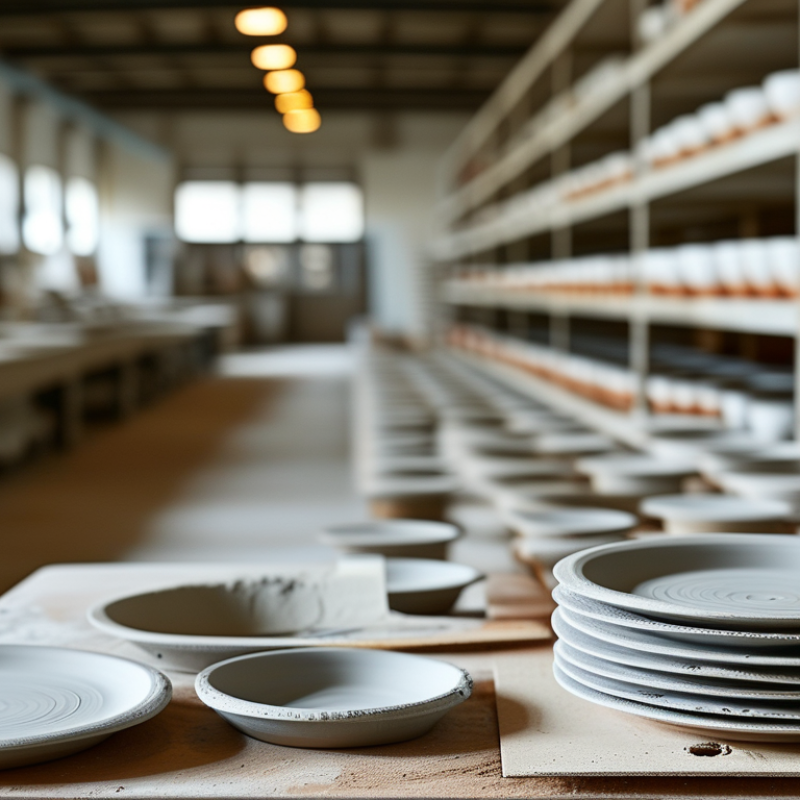
Choosing a ceramic tableware manufacturer requires more than comparing surface designs and quoted prices. Start by checking the body material, glaze composition, and firing temperature. Ask whether the manufacturer controls clay sources and records each material batch. A dense, evenly fired body should resist chips, odors, and water absorption. Inspect the foot ring, rim, and underside under strong light. Small pinholes can reveal weak glaze control.

Testing procedures should reflect real kitchen use. Request food-contact migration reports for lead and cadmium from an independent laboratory. Confirm the laboratory’s accreditation and test methods. Thermal shock testing can expose cracking after a plate moves from a hot oven to a cooler surface. Dishwasher, microwave, impact, and water absorption tests also provide useful evidence. Do not accept one attractive sample as proof. It may hide production variation.

Quality control should continue from forming to final packing. Review inspection standards for dimensions, color, glaze defects, warping, and edge damage. Ask how workers separate defective pieces and how supervisors record corrective actions. Retained samples and batch traceability make later investigations more reliable. I have found that clear records often reveal more than confident promises. Still, factory inspections are imperfect. A visit may capture an unusually careful day. Repeat audits, random carton checks, and pre-shipment inspections can reduce that uncertainty. Ask for current reports, not recycled documents. A manufacturer willing to explain failures usually inspires more trust than one claiming none occur.

How to Choose a Ceramic Tableware Manufacturer?

Verify the ceramic body, testing procedures, and quality-control records before placing an order. Water absorption is a useful material indicator: lower absorption generally indicates a denser ceramic body and improved resistance to moisture penetration.

Typical representative values: Earthenware commonly has higher water absorption, stoneware has moderate absorption, and porcelain has very low absorption. Ask the manufacturer for laboratory reports, applicable standard references, firing records, glaze testing, dimensional checks, and documented inspection results for the exact product.

Compare Minimum Orders, Pricing, Lead Times, and Customization Options

How to Choose a Ceramic Tableware Manufacturer?

Minimum order quantity is the first filter, not the final decision. For a café testing 300 pieces, a 3,000-piece MOQ creates storage pressure and cash-flow risk. Ask for price breaks at 300, 1,000, and 3,000 units. Compare the total landed cost, including tooling, packaging, breakage allowance, freight, and duties. Grand View Research estimated the global ceramic tableware market at about USD 10.7 billion in 2023, with projected growth near 6.5% annually through 2030. Growing demand does not guarantee fair pricing.

Lead time needs evidence. Request separate dates for mold development, sample approval, production, inspection, and shipment. A practical quote may show two to four weeks for samples and 30 to 60 days for production. These are benchmarks, not promises. McKinsey Global Institute reported that major supply-chain disruptions can occur every 3.7 years and last a month or longer. Build a buffer. I once treated a promised shipping date as fixed. That was optimistic.

Customization also changes the economics. New molds, embossed logos, reactive glazes, and hand-finished rims require extra testing and quality control. Ask how many samples are included and who pays for revisions. Check color tolerance with physical tiles, not screen images. Confirm food-contact documentation and packaging standards before signing. A low MOQ may limit customization. A high MOQ may reduce unit cost but increase obsolete inventory. The best supplier should explain those trade-offs clearly, even when the answer is inconvenient.

Review Samples, Certifications, Communication, and Contract Terms

Choosing a ceramic tableware manufacturer requires more than comparing prices. Request physical samples in several shapes and finishes. Check rim smoothness, glaze consistency, weight, stacking stability, and color under natural light. Test pieces in a dishwasher and microwave when relevant. Look closely for pinholes, warping, sharp edges, and uneven bases. These small defects often become expensive customer complaints.

Ask for current certifications and independent test reports. Confirm that documents match the factory, product type, and production location. Food-contact safety, heavy-metal testing, and quality-management records should be traceable. A certificate without a clear scope is not enough. Request recent inspection dates and laboratory details. I once focused too heavily on appearance and overlooked carton strength. That mistake caused preventable breakage during transport.

Communication reveals operational maturity. Ask who approves artwork, handles changes, and reports defects. Clear answers matter more than fast promises. Discuss sample revisions, production tolerances, inspection points, and replacement procedures. Put every agreement into the contract, including glaze color limits, dimensions, packaging, minimum quantities, delivery dates, payment stages, and responsibility for damaged goods. Define mold ownership and approval rights too. A vague sentence can create a costly dispute. Keep signed drawings, approved samples, test reports, and email records together. Even reliable suppliers can misunderstand an informal instruction.

FAQS

What details should I define before contacting a ceramic tableware manufacturer?

Describe each item’s purpose, shape, dimensions, capacity, color, and planned quantity. Add clay type, glaze finish, firing temperature, and texture.

Why are product measurements so important?

A two-millimeter difference can affect stacking, packing, and storage. Small errors may create visible gaps or unstable cartons.

What safety requirements should ceramic tableware meet?

State whether items need microwave, dishwasher, or food-contact suitability. Request testing for lead and cadmium migration, thermal shock, and water absorption.

Should I approve mass production from photographs or showroom samples?

No. Request a physical sample using intended materials and methods. A polished showroom piece may not represent ordinary factory output.

How can I judge a manufacturer’s real production experience?

Ask for recent test reports, defect records, corrective-action reports, and ordinary production samples. Repeated evidence matters more than confident promises.

What factory areas should I inspect?

Observe clay preparation, glaze storage, kiln loading, decoration, packing, and inspection. Check whether workers separate cracked pieces carefully.

Does quality certification guarantee excellent tableware?

No. Certification usually shows a management system. It does not automatically prove strong ceramic quality or consistent production.

Which defects should be controlled in the product specification?

Set limits for pinholes, color variation, warping, edge roughness, and dimensional tolerance. Also check foot-ring flatness before packing.

How should glaze color differences be handled?

Compare samples under your actual lighting and table setting. Allow a reasonable color range, but avoid vague limits that weaken consistency.

What packaging details deserve attention?

Confirm carton strength, rim protection, internal separators, and replacement terms. Fragile edges need more than attractive outer packaging.

Conclusion

Choosing the right ceramic tableware manufacturer begins with clearly defining your product requirements, including shapes, sizes, colors, finishes, intended use, packaging, and target market. Once these specifications are established, evaluate each manufacturer’s experience, production capacity, equipment, workforce, and overall ceramic tableware manufacturing standards. A reliable supplier should be able to explain its material selection, glazing methods, firing process, testing procedures, and quality-control system. Ask how defects are identified and resolved before products are shipped.

You should also compare minimum order quantities, pricing structures, production lead times, and available customization options. Reviewing physical samples is essential for confirming appearance, durability, functionality, and consistency with your expectations. In addition, verify relevant certifications and assess the manufacturer’s communication, responsiveness, and ability to provide clear documentation. Before placing an order, carefully review payment terms, inspection requirements, delivery responsibilities, warranty conditions, and procedures for handling quality issues. A transparent agreement can help reduce risks and build a dependable long-term partnership.


Rosalie

Rosalie

Rosalie is a skilled marketing professional dedicated to helping businesses understand products, markets, and customer needs through clear, practical, and insight-driven communication. With extensive knowledge of the company’s product portfolio, she transforms complex features and technical......