About
About Us Production CapabilityProducts
All Products Tableware Bakeware Decorative Bathroom Accessories Other Products OEM Services Catalogue News & ActivitiesResources
Ceramic Tableware Manufacturing Stoneware Bakeware Sets Custom Ceramic OEM Manufacturer Decorative Ceramic Home Decor Ceramic Kitchen Storage Jars Stoneware Dinnerware Sets Ceramic Bathroom Accessories Set Ceramic Baking Dish Global Service Top SearchExplore industry trends, OEM ceramic manufacturing guides, tableware design ideas, and expert tips from ARTWAY Thailand.
Decorative ceramic home decor can make a room feel warmer, more personal, and visually complete. A hand-finished vase beside a window catches changing daylight. A textured bowl can soften the clean lines of a modern console. Yet attractive design should not replace practical judgment. Buyers should examine weight, glaze quality, surface consistency, and the stability of each piece.
The pioneering ceramicist Bernard Leach once said, “The potter’s art is the art of the fire.” His words highlight the craft behind every fired object. Temperature, clay composition, and glazing methods influence color, strength, and texture. That expertise matters when choosing decorative ceramics for busy homes. A delicate sculpture may suit a quiet shelf, while a heavier planter may work better in an entrance. Check the dimensions carefully. Small errors can make a carefully planned display feel crowded.
This guide explores 10 Best Decorative Ceramic Home Decor Ideas for Buyers. It considers style, maintenance, placement, and long-term value. Some pieces will look beautiful online but feel underwhelming in person. That happens. Product photographs can hide uneven finishes, sharp edges, or limited scale. Buyers should read material details and inspect customer reviews before purchasing. Handmade variation is not always a defect, but it should be explained clearly. Glazed surfaces may also show fingerprints or water marks. Use a soft cloth and avoid harsh cleaners. Most importantly, choose pieces that support your daily life, not only current trends. A good ceramic object should earn its place.
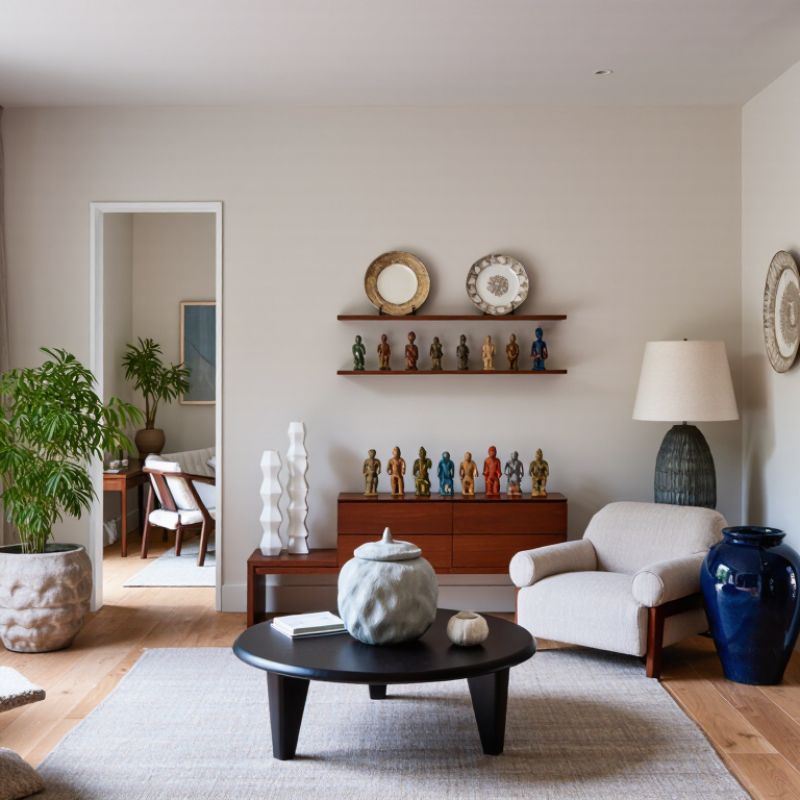
Decorative ceramic home decor combines fired clay with color, texture, and practical form. Common choices include vases, planters, trays, bowls, candle holders, figurines, wall plates, lamps, bookends, and tile panels. Each piece can shape a room differently. A tall vase adds height beside a sofa, while a shallow tray organizes keys on an entry table. Ceramic also holds visual warmth because its surface may be glossy, matte, speckled, or deliberately uneven.
In my experience, buyers should examine weight, glaze quality, stability, and maintenance needs before choosing a piece. Check the base for felt pads or rough edges that could scratch furniture. A narrow planter needs a secure position, especially near children or pets. Not every decorative bowl is food-safe. Decorative use only.
Moisture matters. Use an inner pot for plants, and wipe standing water from ceramic surfaces. Dust textured pieces with a soft brush, then clean them gently with mild soap. Avoid sudden temperature changes, which may crack some ceramics. I once chose a beautiful heavy vase that was difficult to move, so its placement became almost permanent. That mistake still matters. A slightly uneven glaze may add character, but buyers should inspect cracks, unstable bases, and sharp chips carefully. Natural variation is attractive; structural damage is not.
Stoneware offers useful strength and a lightly textured surface. Porcelain looks refined, but thin edges may chip. Earthenware feels warm and handmade. It may absorb moisture without a suitable glaze. No material wins every room.
Check the glaze, handles, wall thickness, and base. Look for even coverage and clean edges. Tiny variations can suggest genuine handwork. Deep pinholes or sharp glaze runs may indicate weak finishing. Inspect it in daylight.
Place it on a flat surface and gently test its balance. The foot ring should sit evenly. A hollow sound may suggest a crack, but sound alone proves little. I once bought a vase that rocked whenever the shelf moved. Attractive, but flawed.
Repeat one existing detail, such as a blue cushion or warm wooden floor. Matte cream suits calm interiors. Textured surfaces soften clean furniture. Muted green, navy, and terracotta work well in traditional spaces. Keep the palette controlled.
Scale often matters more than color. A small bowl can disappear on a deep console. A tall vessel may overwhelm a narrow shelf. Measure the space first. Leave a few centimeters around each piece. Measure twice.
Kitchens need sturdy, easy-clean containers for utensils or fruit. Bedrooms suit low dishes for jewelry. Bathrooms benefit from sealed surfaces because moisture affects porous clay. Tall pieces need extra care near narrow furniture. They can tip.
Use a soft, damp cloth on glazed surfaces, then dry gently. Avoid abrasive cleaners and sudden temperature changes. Unglazed ceramic can absorb oils, dust, and colored liquids. Felt pads can protect wooden shelves. Maintenance is easy, sometimes.
Not automatically. Compare thickness, glaze coverage, balance, finish, and stability. Neutral shapes often move easily between rooms. Seasonal designs may become harder to display. Personal attachment can matter more than resale value. My judgment is imperfect.
Decorative ceramic home decor adds texture, color, and personality to living rooms, bedrooms, entryways, and other spaces. This guide explains how ceramic pieces can serve both practical and decorative purposes, from vases and bowls to sculptures, wall accents, and candle holders. It also highlights how to choose quality items by examining the material, glaze, craftsmanship, weight, finish, and overall durability. Thoughtful selections can create a welcoming focal point without overwhelming the room.
The article presents ten versatile ceramic decor ideas and explains how to match them with different interior styles, color palettes, room sizes, and furniture arrangements. It also encourages buyers to compare prices, consider cleaning and maintenance requirements, and evaluate long-term value rather than choosing solely by appearance. With careful planning, ceramic accents can provide lasting beauty, easy coordination, and a refined atmosphere throughout the home.