About
About Us Production CapabilityProducts
All Products Tableware Bakeware Decorative Bathroom Accessories Other Products OEM Services Catalogue News & ActivitiesResources
Ceramic Tableware Manufacturing Stoneware Bakeware Sets Custom Ceramic OEM Manufacturer Decorative Ceramic Home Decor Ceramic Kitchen Storage Jars Stoneware Dinnerware Sets Ceramic Bathroom Accessories Set Ceramic Baking Dish Global Service Top Search
Explore industry trends, OEM ceramic manufacturing guides, tableware design ideas, and expert tips from ARTWAY Thailand.
Buying dinnerware across borders means weighing more than appearance. Stoneware dinner plates must suit everyday meals, shipping conditions, and varied dining styles. Grand View Research’s Ceramic Tableware Market Size, Share & Trends Analysis Report estimated the global market at USD 10.7 billion in 2022 and forecast a 6.0% compound annual growth rate from 2023 to 2030. The figure covers ceramic tableware broadly, not stoneware alone, but it signals a substantial and expanding category.
For global buyers, the best plate is not simply the heaviest or most decorative. Check dimensions, weight, glaze consistency, stackability, and packaging protection. A broad rim can frame food beautifully, yet reduce usable surface area. Matte glazes feel tactile, but may show cutlery marks more clearly. Small details matter. Ask suppliers for sample pieces and clear specifications before comparing bulk quotes. That extra step can prevent costly surprises.
Food-contact documentation deserves equal attention. ISO 6486-1:2019 sets test methods for lead and cadmium release from ceramic ware, glass-ceramic ware, and glass dinnerware. Buyers should request relevant test reports and confirm that product claims match the actual glaze and production batch. This guide compares seven stoneware options through practical criteria: design, durability, care, value, and supplier transparency. No plate fits every market. A restaurant’s sturdy, stackable choice may feel too plain for a boutique retailer, and that trade-off is worth acknowledging.
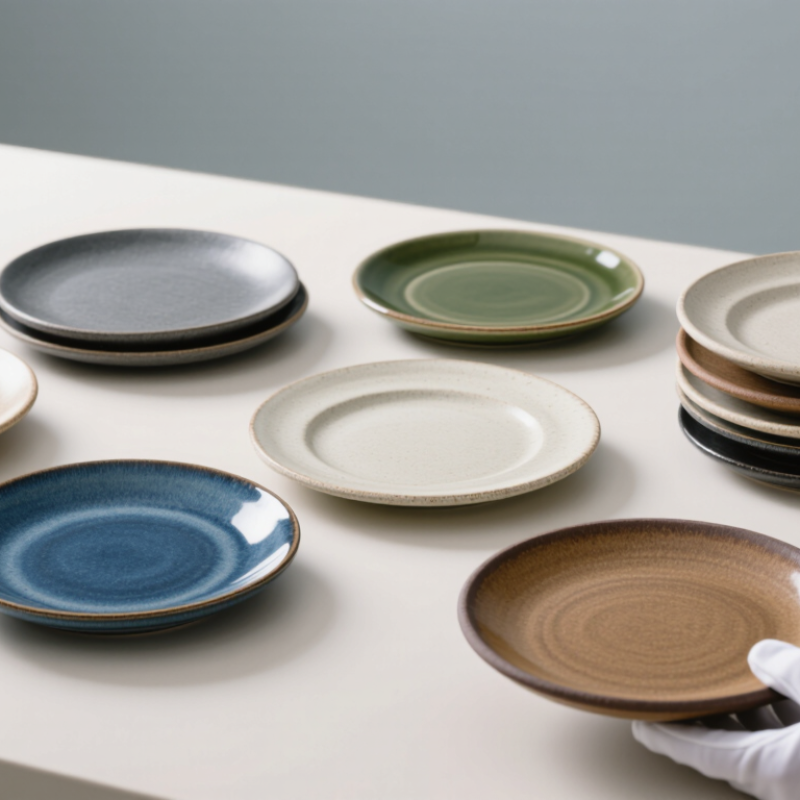
Stoneware dinner plates are ceramic plates made from clay bodies that become dense and partly vitrified during firing. They are generally less porous than earthenware, while remaining distinct from fine, highly vitrified porcelain. ASTM C242 provides terminology for ceramic whitewares, but recipes and classification can vary between manufacturers. Not all stoneware matches.
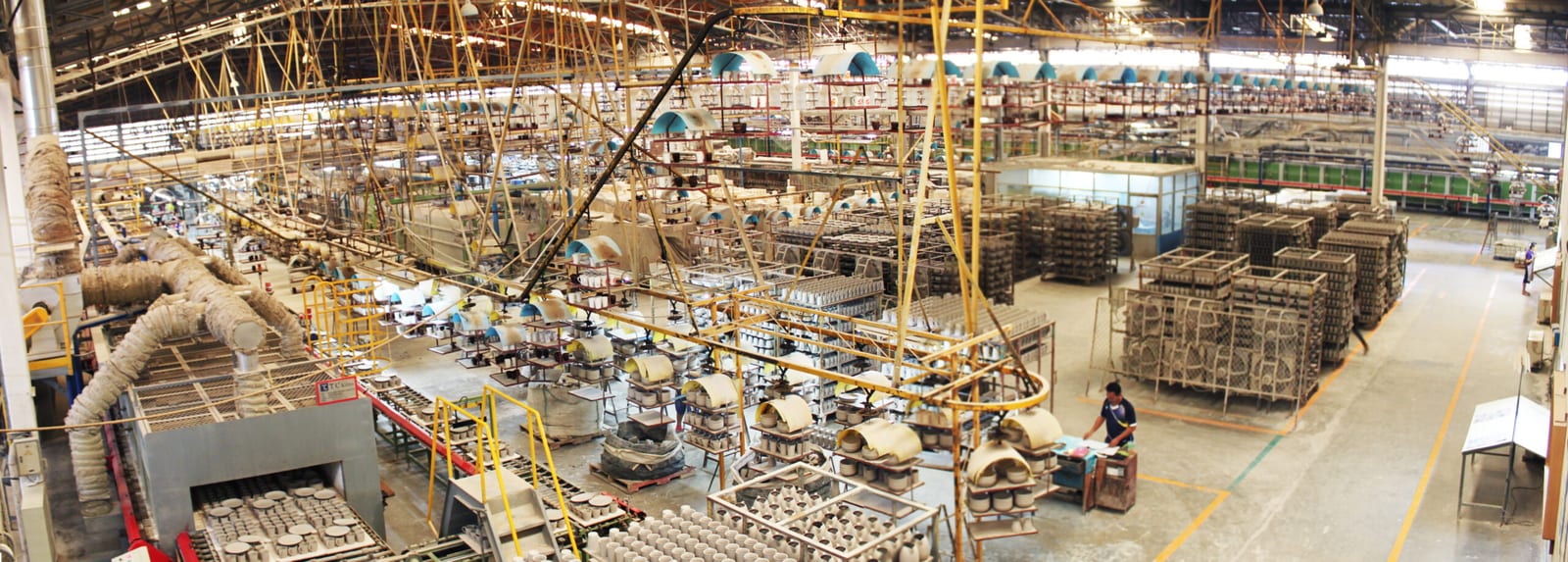
Making a plate starts with blending clay and mineral materials, then forming the body by pressing, jiggering, or casting. The plate dries before firing; some factories fire it once, while others use a separate bisque firing before glazing. Glazes add color and a smooth surface, but they must suit the body and firing cycle. Kiln temperatures vary by formulation, so there is no single temperature that defines every stoneware plate. Small differences matter.
Demand provides useful market context, not a technical definition. Grand View Research estimated the global tableware market at USD 42.6 billion in 2023 and forecast 6.5% annual growth from 2024 to 2030. For buyers, inspect plate weight, rim thickness, glaze consistency, and documented food-contact testing. A glossy finish alone proves little. “Durable” does not mean unbreakable; a chipped rim or uneven glaze can still affect everyday use.
Stoneware plates can look similar on a product page, yet differ in weight, glaze, and firing quality. Compare these details against how the plates will be used. A denser body often feels sturdy, but adds weight to shipping cartons and daily handling. Check rim thickness and plate balance; a heavy rim can make stacking awkward. Small details matter. Inspect the glaze under bright light for pinholes, rough patches, or uneven color. These may be harmless, but can affect appearance and cleaning.
For global buyers, confirm the actual diameter, usable eating surface, and carton dimensions rather than relying on a “dinner plate” label. Request samples from more than one production batch if consistency is important. Test stacking, washing, and repeated heating under the supplier’s stated care instructions. Microwave and dishwasher suitability should be documented, not assumed from the material alone. Ask for relevant food-contact test records for the intended market, and verify that documents match the specific glaze and production line. One limitation is easy to miss: a plate can pass a sample check yet vary in bulk production. Agree on measurable tolerances for size, weight, and color before ordering.
Seven Stoneware Dinner Plate Options for Global Buyers
For global buyers, the right plate balances appearance, packing efficiency, and daily handling. A classic round glazed plate suits mixed menus and is easy to reorder. A coupe plate has a clean, rimless profile, while a raised-rim plate helps contain sauces. Reactive-glaze plates offer visible color variation; request production samples, since the finished batch may differ from the showroom piece. Matte plates feel understated but can show utensil marks more clearly. Stackable plates save carton and storage space. Textured, hand-finished plates add character, though their dimensions may vary slightly. Seven options, different trade-offs.
Specifications matter as much as style. Ask suppliers for plate diameter, weight, stack height, glaze-care instructions, and documented food-contact suitability for the destination market. Test samples in dishwashers and inspect glaze consistency before approving a large order. UNCTAD’s Review of Maritime Transport 2024 reported that global maritime trade grew 2.4% in 2023 and projected 2.7% growth for 2024. For buyers, that makes carton strength and reliable packing worth checking alongside design. A small weakness in this advice: sample testing takes time, but skipping it can make repeat orders harder to control.
| Option | Plate Style | Typical Diameter | Indicative Weight per Plate | Finish and Design | Stacking and Storage | Care Considerations | Potential Buyer Fit |
|---|---|---|---|---|---|---|---|
| 1 | Classic flat-rim plate | 26–27 cm (10.2–10.6 in) | 650–850 g | Plain glazed surface with a gently raised rim; broadly adaptable for everyday table settings. | Usually stacks efficiently when the underside is flat; confirm stack height with the supplier. | Dishwasher and microwave suitability depend on the body, glaze, and any decoration; request test confirmation. | Retailers and food-service buyers seeking a versatile standard dinner-plate format. |
| 2 | Wide-rim presentation plate | 27–28 cm (10.6–11.0 in) | 700–950 g | Broad rim frames the food and provides a defined presentation area. | Allow for the wider footprint when estimating shelf and carton space. | Check whether the rim or surface decoration contains metallic or specialty materials before microwave use. | Restaurants, hotels, and retailers focused on plated presentation. |
| 3 | Coupe plate | 25–27 cm (9.8–10.6 in) | 600–850 g | Curved, rimless profile gives the plate a clean look and a generous usable surface. | Curved edges may affect how securely plates nest; test a sample stack before placing a bulk order. | Confirm resistance to thermal shock and suitability for the intended dishwasher and microwave use. | Buyers looking for a contemporary shape for casual dining or mixed tableware assortments. |
| 4 | Reactive-glaze plate | 26–28 cm (10.2–11.0 in) | 650–900 g | Glaze effects can vary from piece to piece, creating a handcrafted appearance. | Inspect sample stacks for uneven glaze buildup or foot-ring contact. | Ask the supplier to specify care performance and acceptable glaze variation; decorative finishes may require special handling. | Homeware and hospitality buyers seeking a distinctive, artisanal look. |
| 5 | Speckled matte plate | 25–27 cm (9.8–10.6 in) | 600–850 g | Matte or softly textured glaze with a subtle speckled appearance. | Check for a smooth, stable foot ring to reduce scuffing when plates are stacked. | Matte surfaces can show utensil marks more readily; request care guidance and abrasion-test information. | Buyers serving minimalist, rustic, or natural-style tableware markets. |
| 6 | Footed or elevated-rim plate | 25–27 cm (9.8–10.6 in) | 700–950 g | Raised rim or more pronounced base gives the plate a substantial profile. | Measure the base and nesting clearance; raised profiles may reduce the number of plates per stack. | Confirm that the base does not trap water during washing and that the plate is compatible with intended appliances. | Specialty retailers and dining venues looking for a more sculptural plate shape. |
| 7 | Lightweight everyday plate | 24–26 cm (9.4–10.2 in) | 450–650 g | Simpler profile designed to reduce handling weight while retaining a stoneware appearance. | Review rim strength and stack stability; lighter construction should be evaluated with handling tests. | Care suitability varies by product. Request documented dishwasher, microwave, and temperature-use guidance. | Online and retail buyers prioritizing easier handling and lower shipping weight per piece. |
Buyer note: Dimensions and weights are indicative ranges for common stoneware formats, not product specifications. Actual measurements, glaze performance, care suitability, packing details, and import requirements vary by supplier and destination; verify them using samples and product documentation before ordering.
Stoneware plates range from matte, earthy finishes to glossy reactive glazes and clean, minimal rims. Matte surfaces hide small scratches, while pale glossy finishes make food colors stand out. Textured edges look distinctive but may take more effort to clean. For mixed international tables, neutral colors and stackable shapes are practical; dramatic glazes can vary noticeably between production batches.
Durability depends on more than thickness. A dense, well-fired plate usually handles daily meals well, but hard knocks can still chip its rim. Check care instructions and replacement availability before buying a full set. Grand View Research valued the global ceramic tableware market at USD 10.72 billion in 2023 and projected 6.4% annual growth through 2030. That market figure covers more than stoneware, so it signals category demand, not plate quality. Prices generally rise with detailed glazing, heavier construction, and smaller production runs. A cheaper set may cost more over time if matching replacements are unavailable.
Tips: Compare plate weight, rim shape, and set price per piece. Ask whether finishes vary across batches. I would not assume heavier means stronger; that shortcut can mislead. Check the maker’s care guidance, and inspect a sample for wobble, rough foot rings, or uneven glaze before ordering in volume.
Typical estimated retail price ranges for a four-piece set, in USD. The styles are general categories, not specific products or brands.
How to read this: Classic glazed and speckled styles are often lower-priced, while reactive-glaze and hand-finished looks tend to cost more. Durability cannot be judged by appearance alone: firing quality, plate thickness, glaze, and care instructions all matter. Check whether each product is dishwasher- and microwave-safe before buying. Prices are indicative estimates and vary by market and seller.
Compare stoneware by more than glaze color. Ask suppliers for clay-body specifications, firing records, production tolerances, and food-contact test reports for the intended market. ASTM C373 provides a recognized method for measuring water absorption in fired ceramic products; request the test results, not just a general quality claim. A sample can still mislead. Inspect several plates from different production lots, checking for wobble, rough foot rings, pinholes, and uneven glaze.
Shipping needs equal scrutiny. UNCTAD’s Review of Maritime Transport 2024 reports that over 80 percent of world trade by volume moves by sea. For plates, that makes carton design and handling details important. Request photographs of dividers, edge protection, and pallet loading, then agree on a pre-shipment inspection and a written breakage allowance. A drop-test record helps, though it cannot perfectly reproduce every route or warehouse.
Care instructions should match the tested product. Ask whether the exact plate has been evaluated for dishwasher and microwave use, and whether sudden temperature changes may cause cracking. Avoid assuming all stoneware tolerates a hot oven straight from a cold room. That assumption is easy to make. It is also costly. Confirm care wording, replacement availability, and batch consistency before placing a large order.
Compare weight, rim thickness, balance, diameter, and usable eating space. Small differences matter. A heavy rim may make stacking awkward.
Classic round plates suit varied menus. Coupe plates have rimless profiles, while raised rims help hold sauces. Stackable shapes save storage space.
Inspect samples under bright light for pinholes, rough patches, and uneven color. These flaws may be harmless, but can affect cleaning and appearance.
Not always. A dense, well-fired plate may handle daily meals, but hard knocks can still chip its rim. I would not trust weight alone.
Test stacking, washing, and repeated heating according to the care instructions. Ask for samples from multiple batches when consistent color matters.
Request exact plate diameter, usable surface, weight, stack height, and carton dimensions. “Dinner plate” is not a precise measurement.
Matte finishes can show utensil marks, while pale glossy finishes highlight food colors. Reactive glazes may vary between batches. The showroom sample may not match every plate.
Ask for food-contact test records that match the intended market, glaze, and production line. Check carton strength too; a sample cannot reveal every bulk-order problem.
Compare the price per piece, finish, weight, and replacement availability. Detailed glazes and smaller production runs may cost more. A cheap set can become inconvenient when matching replacements are unavailable.
Stoneware dinner plates are valued for their substantial feel, versatile appearance, and suitability for everyday meals. This guide explains how stoneware is shaped and fired, then outlines the features buyers can compare, including plate size, weight, glaze, finish, resistance to everyday wear, and ease of care. It also presents seven types of plate options, from simple, understated designs to more decorative styles, helping global buyers consider different dining needs and preferences.
A side-by-side comparison looks at design, durability, and price to clarify the trade-offs between options. Buyers can also use practical sourcing considerations to make informed decisions, such as checking product specifications, requesting samples, confirming packaging and shipping details, and understanding care instructions. Together, these points provide a useful framework for selecting stoneware plates that balance appearance, performance, budget, and the requirements of the intended market.