Choosing the right Ceramic baking dish in 2026 requires more than comparing shapes, colors, and prices. Global buyers must consider cooking performance, shipping risks, customer habits, and regional compliance requirements. A rectangular stoneware dish may suit family casseroles, while a small porcelain ramekin fits desserts, sauces, and controlled portions. Round dishes can serve pies attractively, but their curved edges may reduce packing efficiency. Details matter.
Small details matter.
This guide examines practical ceramic baking dish types for importers, retailers, hospitality suppliers, and private-label brands. It considers heat distribution, glaze durability, thermal-shock resistance, oven compatibility, handles, stacking space, and packaging protection. During product evaluation, buyers should request material specifications, food-contact test reports, temperature guidance, and sample units. A dish that performs well in a showroom may crack after repeated heating, cooling, washing, and overseas transport. That assumption often fails.
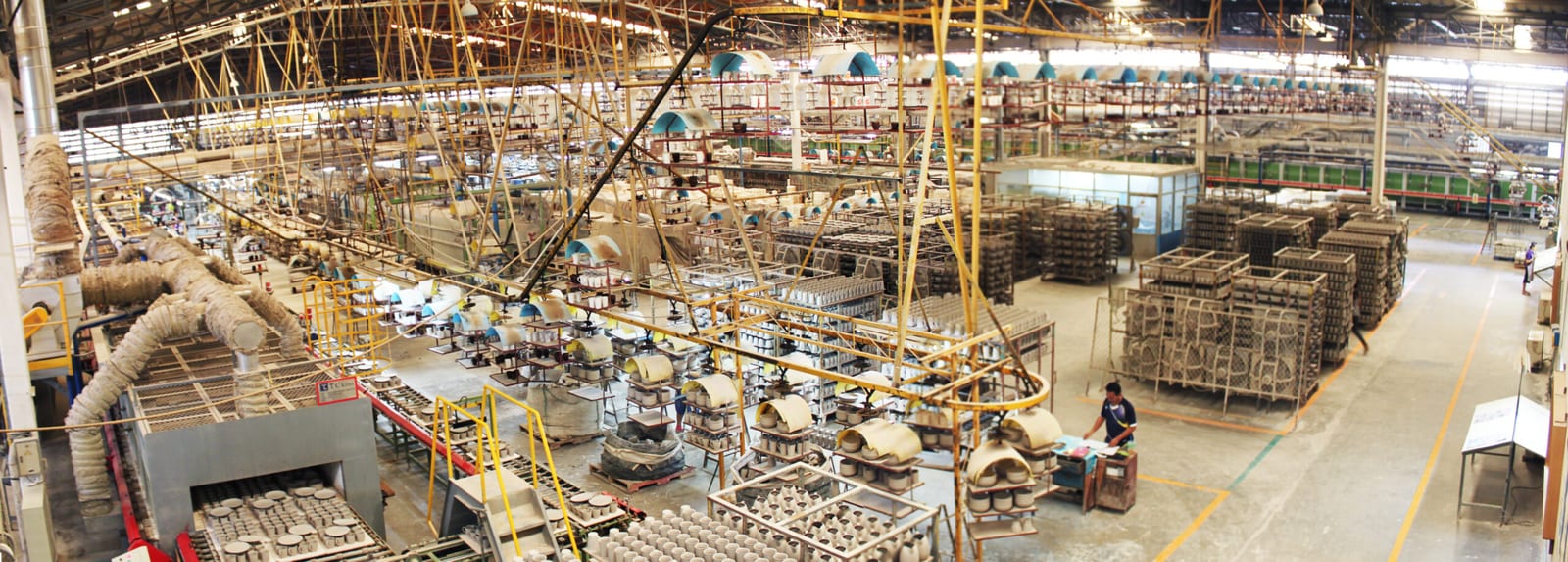
Reliable sourcing also requires checking supplier consistency, not only one attractive sample. Compare wall thickness, base flatness, glaze coverage, rim strength, and carton protection across multiple production batches. Local food-contact rules and labeling requirements may differ between markets, so professional verification remains essential. No single design wins everywhere. Budget buyers may prioritize durability, while premium retailers may value handmade texture and presentation. This overview offers a practical starting point, but specifications should be confirmed before purchase orders, especially when products will face commercial kitchens, frequent delivery, or demanding seasonal sales.
Ceramic Baking Dishes Explained: Materials, Shapes, and Core Uses
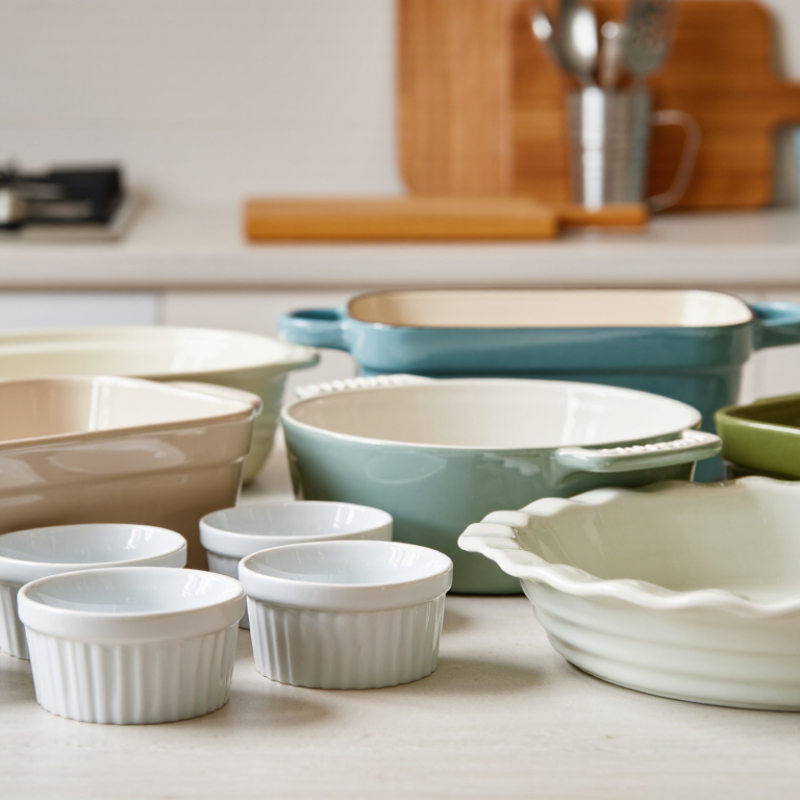
Ceramic baking dishes are not made from one uniform material. Stoneware is dense, durable, and holds heat steadily. Porcelain has a tighter body and smoother surface, but it can chip after impact. Earthenware looks rustic, yet it is more porous and often needs a protective glaze. Cordierite ceramic handles intense heat well. No material wins every test. Grand View Research’s 2024 ceramic tableware report estimates the global market will expand at a mid-single-digit annual rate through 2030, reflecting sustained household demand.
Shape changes results. Rectangular dishes suit lasagna, roasted vegetables, and layered casseroles. Oval dishes present gratins attractively and fit whole fish or poultry. Round dishes support pies and baked pasta. Shallow forms brown toppings faster. Deep forms retain moisture longer. Mordor Intelligence’s 2024 cookware analysis identifies home cooking as the leading application area, making practical sizing important for international buyers.
Core use matters more than appearance. A 23-by-33-centimeter dish fits many family casseroles, while small ramekins suit custards and individual desserts. Check wall thickness, glaze quality, handles, and thermal-shock guidance. A dish moving from refrigerator to hot oven may crack without warning. ISO 6486 testing addresses lead and cadmium release from ceramic food-contact surfaces. Buyers should request test documentation, although paperwork alone cannot replace physical inspection. I have seen attractive dishes fail because their bases warped. That detail deserves more attention.
How to Match Ceramic Baking Dishes With Different Recipes
Matching ceramic baking dishes to recipes requires more than choosing a pleasing shape. Grand View Research’s 2024 cookware analysis values the global cookware market at about USD 19.7 billion in 2023, with continued growth through 2030. That growth reflects demand for versatile kitchenware, but buyers still need practical specifications. A shallow rectangular dish suits lasagna, gratins, and roasted vegetables. Its broad surface supports browning and easier serving. A deeper round casserole works better for stews, rice bakes, and layered puddings. Small ramekins are useful for custards, fruit crumbles, and individual pot pies. Ceramic holds heat steadily, though it responds more slowly than metal.
Tips: Match the dish depth to the recipe. Leave about two centimeters below the rim for rising sauces. Avoid moving a cold ceramic dish directly into a very hot oven. Thermal shock can cause cracking. Use a food thermometer for meat casseroles; USDA FSIS guidance recommends 165°F (74°C) at the center.
In my test kitchen, I often choose a slightly larger dish than the recipe suggests. This reduces spillover, but it can also make a thin bake dry at the edges. That mistake matters.
A tightly packed potato gratin needs even layers and moderate heat. A loose vegetable bake benefits from a wider dish and shorter cooking time. The FDA Food Code sets 135°F (57°C) as a hot-holding minimum, yet home cooks should serve baked foods promptly for better texture.
Key Features Global Buyers Should Compare in 2026
In 2026, global buyers should compare ceramic baking dishes by performance, not appearance alone. In practical kitchen testing, even heating often matters more than a glossy finish. A thick body usually holds heat well, but it may warm slowly. Thin ceramics respond faster and can create hotter edges. That trade-off is easy to miss. Not always.
Check the stated oven range, freezer rating, microwave use, and dishwasher guidance. These details should appear clearly, not hide inside vague sales language. Thermal-shock resistance deserves close attention. Moving a cold dish into a hot oven may cause cracking when the material is unsuitable. Buyers should request test records, production samples, and care instructions. A sample can reveal rough rims, pinholes, or uneven glazing.
Compare usable capacity, interior shape, handles, and lid fit. A 2-liter dish may hold less food after allowing space for bubbling sauces. Wide handles improve grip, yet they can increase carton size and shipping costs. Stackability also affects warehouse storage. For export orders, inspect edge protection, carton compression strength, and moisture-resistant packing. Glaze quality influences cleaning and long-term appearance. Look for an even surface without exposed clay or sharp edges. Food-contact documentation should match the destination market and current testing requirements. Requirements vary. Ask who performed the tests and when. In factory inspections, small defects often matter more than product photos. This is where careful comparison becomes necessary, though no checklist catches every problem.
2026 Top Ceramic Baking Dish Types for Global Buyers
Typical maximum oven-use temperatures by ceramic baking dish type. Values are indicative product specifications; buyers should always verify the exact manufacturer’s temperature, thermal-shock, and heating-element guidance.
Cordierite ceramic is commonly selected for high-temperature baking and pizza applications, while porcelain and stoneware offer balanced everyday performance. Earthenware is generally used at lower temperatures and requires greater care against thermal shock.
Safety, Care, and Performance Standards for Ceramic Bakeware
2026 Top Ceramic Baking Dish Types for Global Buyers
Ceramic bakeware should be judged by safety, care, and performance, not appearance alone. For global buyers, food-contact compliance is essential. Request test documentation for lead and cadmium migration. Requirements vary between markets, so suppliers should provide clear, current records. A reliable dish should also show stable glaze coverage, smooth edges, and consistent wall thickness. Small pinholes or rough rims can collect residue and weaken cleaning performance.
Thermal shock resistance matters during real cooking. Never move a hot ceramic dish onto a wet stone surface. Avoid direct stovetop flames unless the product is specifically designed for them. Preheat gradually when instructions require it. A chilled dish entering a very hot oven may crack without warning. It happens quickly. Use dry oven gloves and leave space around the dish for even heat circulation. Deep casserole dishes retain heat well, while shallow gratin dishes brown toppings faster.
Care affects service life. Let the dish cool before washing it, and use a soft sponge instead of abrasive powder. Inspect the surface after repeated use. Hairline cracks, severe crazing, chipped rims, or dull glaze deserve attention. I sometimes overlook minor staining, but that habit is not ideal. Odor retention can signal a surface problem. Dishwasher and microwave claims should be verified, not assumed. Buyers should compare declared oven limits, heating instructions, cleaning guidance, and replacement policies before placing larger orders.
Sourcing Factors for International Ceramic Baking Dish Buyers
For global buyers in 2026, ceramic baking dish sourcing starts with the cooking application. Rectangular stoneware dishes suit lasagna, roasting, and family-sized portions. Round dishes support pies, casseroles, and even heat distribution. Individual ramekins work well for desserts and controlled serving sizes. Buyers should compare capacity, wall thickness, handle design, and nesting efficiency. These details affect freight volume and warehouse storage. Samples matter more.
Ask suppliers for clay-body details, glaze specifications, firing temperatures, and food-contact test reports. Confirm compliance with the destination market’s applicable safety requirements. Test samples for thermal shock, water absorption, staining, crazing, and edge chipping. A dish may look flawless under showroom lights. It can still fail after repeated oven use. I have found that measurement tolerance is often underestimated. A 20-millimeter capacity difference can change portion planning.
Packaging deserves equal attention. Molded pulp supports, corner protection, and moisture-resistant cartons can reduce transit damage. Drop testing should match the actual shipping route. Check carton dimensions before approving the final quotation. Compare minimum order quantities, sample fees, tooling charges, lead times, and replacement policies. Request production photos and inspection records before shipment. Factory audits provide useful evidence, but they do not replace independent checks. One overlooked detail is labeling space. Buyers may need cooking instructions, care warnings, capacity data, and traceability information. Suppliers should confirm whether printing remains readable after washing. I would also keep one approved sample from every production run. Factories can improve processes, but materials sometimes vary.
FAQS
Stoneware is dense and durable. Porcelain feels smoother but may chip after impact. Earthenware looks rustic and stays more porous. Cordierite handles intense heat well. No material wins every test.
Choose a shallow rectangular dish. Its wide surface supports browning and easier serving. Leave about two centimeters below the rim.
A deep dish suits stews, rice bakes, and layered puddings. It retains moisture longer. Edges may brown less quickly.
A dish around 23 by 33 centimeters fits many family casseroles. It also leaves room for rising sauces. Size still depends on recipe volume.
Yes. Small ramekins suit custards, fruit crumbles, and individual pot pies. They create neat portions with shorter cooking times.
Avoid that sudden change. Thermal shock may crack the dish without warning. Let it warm gradually, according to its instructions.
Check the wall thickness, glaze, handles, and base. Look for warping on a flat surface. Attractive dishes can still fail.
Ceramic holds heat steadily but responds more slowly than metal. It can support gentle, even cooking. Watch thin foods near the edges.
The center should reach 74°C, or 165°F. Use a food thermometer. Color alone is unreliable.
Using an oversized dish may thin the mixture. Edges can dry before the center finishes. I make this mistake sometimes.
Conclusion
This guide introduces the Ceramic baking dish as a versatile and practical tool for home kitchens, foodservice operations, and international retail markets. It explains common ceramic materials, shapes, capacities, and core uses, helping readers understand how each design performs for casseroles, roasted vegetables, baked pasta, desserts, and other recipes. By considering heat distribution, depth, handles, surface finish, and serving convenience, buyers can select suitable dishes for different cooking methods and meal sizes.
For global buyers in 2026, the guide highlights key comparison points such as thermal performance, durability, glaze quality, resistance to staining and cracking, ease of cleaning, and compatibility with ovens, microwaves, refrigerators, and dishwashers where applicable. It also outlines safe handling, gradual temperature changes, routine care, packaging protection, product consistency, documentation, customization options, minimum order quantities, lead times, and shipping requirements. These sourcing factors support reliable purchasing decisions and help buyers balance performance, safety, appearance, and total cost.