About
About Us Production CapabilityProducts
All Products Tableware Bakeware Decorative Bathroom Accessories Other Products OEM Services Catalogue News & ActivitiesResources
Ceramic Tableware Manufacturing Stoneware Bakeware Sets Custom Ceramic OEM Manufacturer Decorative Ceramic Home Decor Ceramic Kitchen Storage Jars Stoneware Dinnerware Sets Ceramic Bathroom Accessories Set Ceramic Baking Dish Global Service Top SearchExplore our certified export-grade ceramic tableware, hotelware, and custom dinnerware sets tailored for Ghana's commercial food service, wedding rental, and retail distribution sectors.

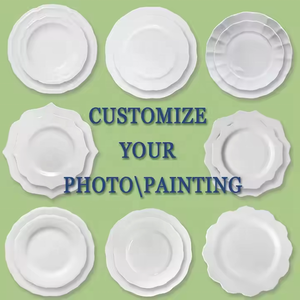
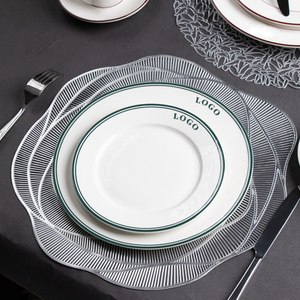
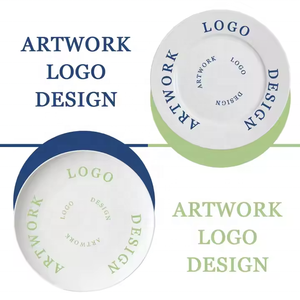
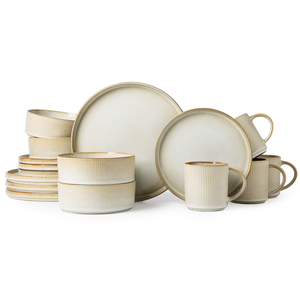
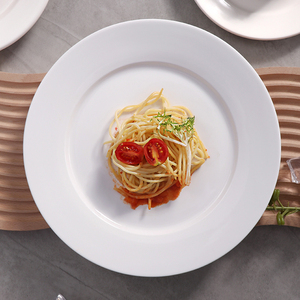
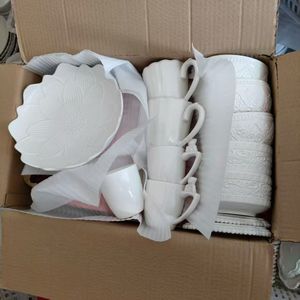
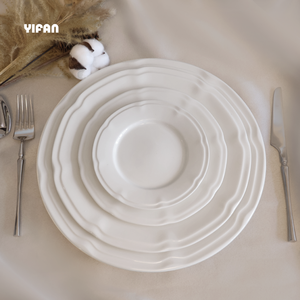
Ghana’s rapid urban expansion across major economic corridors—including Greater Accra, Kumasi, Sekondi-Takoradi, and Tamale—has triggered a structural shift in commercial food service procurement, hospitality standards, and household kitchenware preferences. Historically reliant on lower-grade melamine or unglazed traditional earthenware, Ghanaian commercial buyers, resort operators, and retail importers are systematically transitioning toward high-density, vitreous ceramic dinnerware, stoneware bakeware, and reinforced hotel porcelain.
Driven by the expansion of Ghana’s tourism sector, international hotel investments in West Africa, and a rising middle-class consumer demographic demanding hygienic, non-reactive food presentation, the requirement for robust OEM ceramic manufacturing partners has reached an unprecedented peak. As a premier China-based OEM ceramic kitchenware manufacturer operating since 1993, we provide Ghanaian importers, commercial distributors, and project procurement managers with factory-direct access to engineered ceramic solutions tailored to West Africa's climate, culinary habits, and port-of-entry logistics.
To make informed purchasing decisions that minimize operational breakages and safeguard profit margins, Ghanaian buyers must evaluate physical material properties under actual local operating conditions:
| Material Type | Water Absorption Rate | Thermal Shock Threshold | Glaze Hardness (Mohs) | Suitability for Ghanaian Cuisine & Commercial Washing |
|---|---|---|---|---|
| High-Fired Stoneware (Our Standard) | < 0.5% (Non-porous) | Up to 220°C ΔT | 6.5 - 7.0 (Scratch Resistant) | Optimal: Impervious to oil absorption from hot stews (Palm/Groundnut oil), dishwasher-safe, microwave-safe. |
| Reinforced Hotel Porcelain | < 0.1% (Vitreous) | Up to 200°C ΔT | 7.0 (High Density) | Optimal: Superior edge-chip resistance for fast-paced HORECA banquet operations and high-volume catering. |
| Low-Fired Earthenware (Dolomite) | 3.0% - 7.0% (Porous) | Up to 110°C ΔT | 4.0 - 5.0 (Soft Glaze) | Poor: Susceptible to crazing, moisture absorption, and mold in Ghana’s humid coastal regions. |
| Commercial Melamine Plastic | 0% | Max 70°C (Not Heat-Safe) | 3.0 (Prone to Scratches) | Unsuitable for Hot Foods: Stains easily under tomato/curry paste, releases chemical compounds under heat, non-microwavable. |
Our 10,000 square-meter production facility utilizes computer-controlled tunnel kilns and automated high-pressure casting systems to produce a diverse portfolio of ceramic kitchenware engineered for longevity and aesthetic distinction. Every batch undergoes rigorous quality assurance checking to ensure compliance with international food-contact safety standards (FDA, EU Regulation 1935/2004, ISO 6486).
Designed specifically for intensive commercial catering. Features rolled edge reinforcement to prevent rim-chipping during high-frequency bussing and automated washing in hotel operations.
Formulated from high-alumina clay bodies capable of enduring rapid temperature transitions from freezer to hot oven (up to 260°C). Integrated handles ensure safe handling for hot dish presentation.
Incorporates reactive glazes, underglaze hand-painted botanical prints, and matte relief textures. Formulated to resist glaze crazing and fading under continuous exposure to acidic sauces and detergent cycles.
We provide complete private-label manufacturing options designed to give Ghanaian brands and hospitality chains a unique market identity:
Understanding the specific operational environmental factors and culinary practices in Ghana allows us to manufacture kitchenware that outperforms standard generic imports. Below are four key application scenarios where our products excel:
Traditional Ghanaian gastronomy relies heavily on hot, oil-rich soups (such as Goat Light Soup, Palm Nut Soup, and Kontomire) served alongside dense starches like Fufu and Banku. Generic thin plates crack under thermal expansion or absorb chili oils through micro-crazing in the glaze.
Our Engineered Solution: Heavy-gauge stoneware deep bowls with micro-vitrified smooth glazes. The non-porous surface prevents oil discoloration, while the thick sidewalls retain heat throughout extended dining service without thermal fracturing.
Coastal hospitality venues face atmospheric challenges: sea-salt humidity accelerates degradation of metal accents, while high salt air leads to moisture accumulation on porous ceramics during storage.
Our Engineered Solution: 100% lead-free, non-absorbent high-fired porcelain fired at 1320°C. Zero moisture absorption ensures that stored stacks of plates remain completely hygienic and free from mildew odors despite coastal West Africa’s high relative humidity.
Event rental companies in Ghana transport dinnerware across rough transit routes in crates. Standard consumer ceramics suffer catastrophic chipping and breakage rates during logistics transit and fast-paced dishwashing during massive traditional wedding banquets.
Our Engineered Solution: Reinforced-edge flat plates and stackable porcelain coffee cups. Designed with engineered stack-ability ridges that distribute weight evenly, reducing transit breakage rates to under 0.2% when packed in our reinforced plastic transport crates.
Wholesalers operating in central trading hubs need high turn-rate products with clear consumer appeal, compact packaging for warehouse efficiency, and low unit costs that accommodate local retail margins.
Our Engineered Solution: Nestable 16-piece dinnerware sets and boxed multi-shape divided plates. Optimized inner box dimensions maximize container loading density (up to 2,800 sets per 40ft HQ container), driving down per-unit freight costs to Tema Port.
Our strategic market research team tracks West African consumer purchasing behavior to help our B2B partners stock high-margin, fast-moving ceramic inventory. Key trends reshaping the Ghanaian market include:
With three decades of continuous manufacturing innovation, ARTWAY Company Limited serves as an international benchmark for stoneware and porcelain production. Sourcing directly from our factory eliminates intermediary markups and guarantees stringent quality assurance from raw clay refinement to final port loading.
Every production lot undergoes thermal shock testing (220°C to 20°C water immersion), microwave radiation safety testing, heavy metal leach testing (Lead/Cadmium free), and edge impact resistance validation before export release.
We manage end-to-end containerized logistics servicing Tema Port and Takoradi Port. Our trade operations team handles FOB, CFR, and CIF shipping contracts with full compliance documentation (Bill of Lading, Certificate of Origin, Packing Lists, Form C16 assistance).
To help Ghanaian importers test market demand with minimal capital risk, we offer mixed-item container loading and low minimum order quantities (MOQs), backed by rapid pre-production sample prototyping within 7–10 business days.