About
About Us Production CapabilityProducts
All Products Tableware Bakeware Decorative Bathroom Accessories Other Products OEM Services Catalogue News & ActivitiesResources
Ceramic Tableware Manufacturing Stoneware Bakeware Sets Custom Ceramic OEM Manufacturer Decorative Ceramic Home Decor Ceramic Kitchen Storage Jars Stoneware Dinnerware Sets Ceramic Bathroom Accessories Set Ceramic Baking Dish Global Service Top SearchFactory-direct OEM/ODM commercial crockery engineered for extreme thermal endurance, scratch resistance, and low water absorption rates.
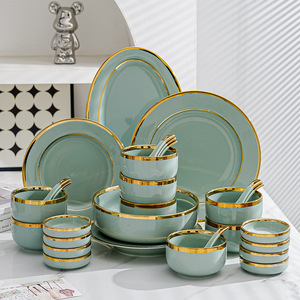
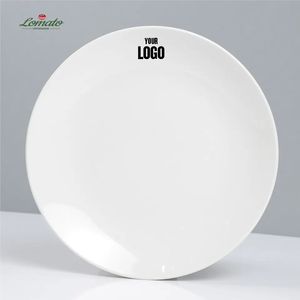
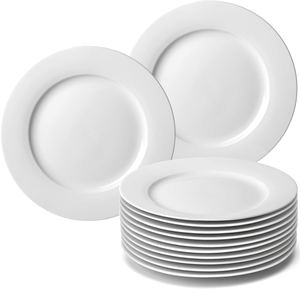
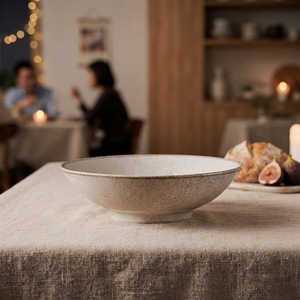
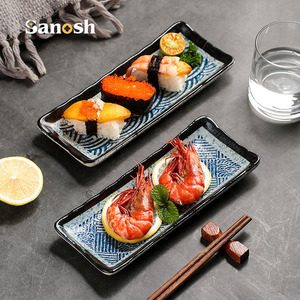
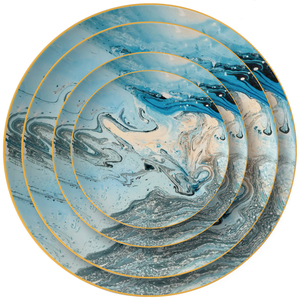
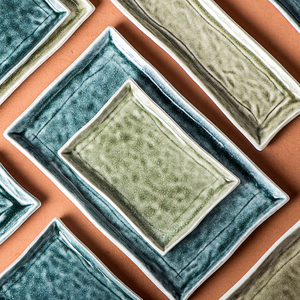
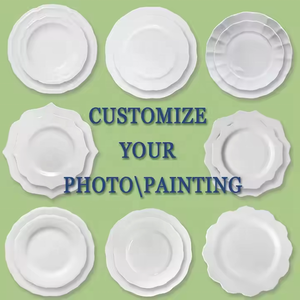
Operating since 1993 with 30 million baht registered capital, ARTWAY combines deep ceramic heritage with high-tech automated tunnel kilns.
From initial 3D digital CAD modeling and physical plaster mold tooling to rapid 14-day sample prototyping. We customize glaze color formulas, back-stamp branding, and structural weight distribution tailored specifically for your brand ecosystem.
Our ceramic formulas comply strictly with US FDA food contact standards, California Proposition 65 lead/cadmium limits, and EU Regulation (EC) No 1935/2004. Tested by SGS, TÜV, and Intertek for commercial kitchen safety.
Fired at extreme temperatures between 1280°C and 1350°C, our stoneware and porcelain body achieves a dense crystalline structure resistant to thermal shock (200°C down to 20°C water bath immersion without crazing or cracking).
To assist institutional buyers and hotel supply managers in selecting optimal material specifications, the following empirical matrix details the mechanical and thermal metrics of our core production lines:
| Performance Metric | High-Fired Stoneware (ARTWAY STD) | Vitrified Commercial Porcelain | Standard Earthenware (Market Avg) |
|---|---|---|---|
| Firing Temperature | 1280°C - 1320°C | 1320°C - 1380°C | 1000°C - 1150°C |
| Water Absorption Rate | < 0.5% (Non-porous) | < 0.1% (Vitrified) | 3.0% - 7.0% (Porous) |
| Thermal Shock Resistance | Up to 220°C Delta T | Up to 200°C Delta T | < 140°C Delta T |
| Mohs Glaze Hardness | Mohs 6.5 - 7 (Cut-Resistant) | Mohs 7.0 (Anti-Scratch) | Mohs 4.5 - 5.0 (Scratches easily) |
| Commercial Dishwasher Cycle Rating | 1,500+ Industrial Cycles | 2,500+ Industrial Cycles | < 300 Cycles (Fading/Crazing) |
| Edge Chipping Resistance | High (Rolled-Edge Option) | Ultra-High (Impact Reinforced) | Low (Frequent replacement) |
As search intent analysis and global hospitality procurement data indicate, commercial dinnerware sourcing is undergoing a structural transformation. Procurement teams are moving beyond mere unit pricing toward lifecycle cost analysis, sustainability certifications, and operational ergonomics.
Modern gastronomy demands visual contrast. Classical stark white rim plates are increasingly supplemented by reactive glazes, matte stoneware textures, and organic terracotta edges. These glazes utilize specialized mineral reactions during kiln firing, ensuring that every plate possesses unique visual nuances while maintaining identical structural dimensions for stacking consistency.
Kitchen storage real estate in urban restaurants comes at a premium. Modern OEM designs focus heavily on "Banded Waist" engineering and flat bottom profiles. Stackable soup bowls and dinner plates with consistent nesting geometry reduce dish-washing rack footprint, minimize handling breakage, and streamline kitchen workflow efficiencies.
Sustainability mandates across North America and Europe require suppliers to lower carbon footprints. Leading OEM factories are incorporating up to 25% recycled greenware clay into raw body mixtures and utilizing waste-heat recovery systems from continuous tunnel kilns to power clay drying rooms.
Over-glaze decoration fades quickly under aggressive institutional dishwashers using high-alkaline detergents. The market is overwhelmingly migrating to underglaze colors and high-temperature in-glaze firing (where decals sink into the molten glaze layer at 1250°C), locking logos and artistic patterns under a glass-hard protective layer forever.
Transparent, engineered steps ensuring seamless transition from design concept to containerized sea freight delivery.
Submit your 2D concepts, Pantone color codes, or reference samples. Our ceramic engineers evaluate draft angles, clay shrinkage factors, and weight parameters.
Precision 3D plaster molds are carved. Physical pre-production samples are fired and glazed within 14 to 21 days for physical client sign-off.
Slip casting or hydraulic pressing is executed at scale, followed by automated glaze spraying and firing in temperature-controlled tunnel kilns.
100% manual inspection for pinholes, warp, and edge thickness. Packed in drop-tested 5-ply corrugated export cartons with palletization.
Expert answers addressing critical technical, logistical, and commercial inquiries for volume ceramic purchasing.
Partner directly with an established Thai ceramic manufacturer. Contact our engineering and export team today for technical catalogs, instant OEM quotes, or sample requests.