About
About Us Production CapabilityProducts
All Products Tableware Bakeware Decorative Bathroom Accessories Other Products OEM Services Catalogue News & ActivitiesResources
Ceramic Tableware Manufacturing Stoneware Bakeware Sets Custom Ceramic OEM Manufacturer Decorative Ceramic Home Decor Ceramic Kitchen Storage Jars Stoneware Dinnerware Sets Ceramic Bathroom Accessories Set Ceramic Baking Dish Global Service Top SearchExplore our top-rated, food-grade certified ceramic spice jars, condiment sets, and hotelware dinnerware engineered for global distributors, retail brands, and HORECA buyers.
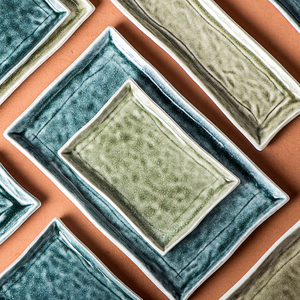
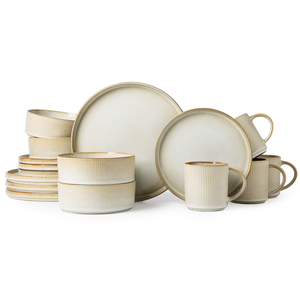
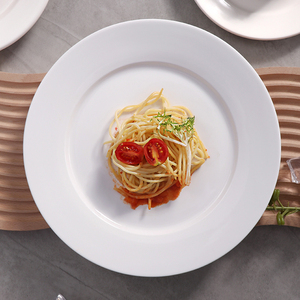
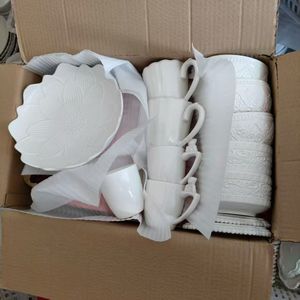
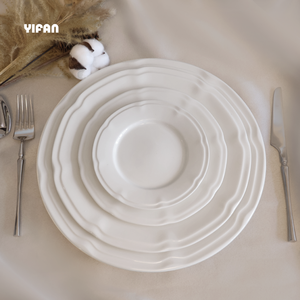
The global kitchenware and food organization market is undergoing a structural shift. B2B buyers—ranging from multi-national retail chains and boutique kitchenware brands to commercial HORECA procurement groups—are increasingly moving away from synthetic polymers and low-grade plastics toward non-porous, inert materials. Ceramic spice jars and stoneware condiment storage systems sit at the center of this transformation due to their unmatched chemical stability, moisture protection, thermal resistance, and premium aesthetic appeal.
As a leading China-based ceramic manufacturing powerhouse operating in strategic synergy with international technical hubs (including our established legacy production footprint from 1993 with 30 million baht registered capital), our manufacturing facility has spearheaded innovations in high-fired ceramic body formulations, silicone-sealed airtight lids, and reactive glaze engineering. This technical whitepaper analyzes the core variables that define commercial success in wholesale ceramic spice jar sourcing: material density, food compliance standards, airtight seal engineering, manufacturing lead times, and OEM customization agility.
Not all ceramics perform equally under demanding kitchen or commercial environments. Understanding the raw material compositions and firing profiles is critical for B2B buyers to prevent high defect rates, glaze crazing, or food contamination compliance failures during import customs audits.
We utilize specialized kaolin clays sourced from premium mineral beds, blended with feldspar and quartz to achieve structural rigidity upon vitrification. Below is an engineering comparison matrix for kitchen storage and spice container applications:
| Material Parameter | High-Fired Stoneware | Reinforced Porcelain | New Bone China |
|---|---|---|---|
| Firing Temperature | 1280°C – 1320°C | 1300°C – 1350°C | 1200°C – 1250°C |
| Water Absorption Rate | < 0.5% (Impermeable) | < 0.1% (Vitreous) | < 0.3% |
| Thermal Shock Resistance (ΔT) | Up to 180°C | Up to 150°C | Up to 140°C |
| Mechanical Impact Hardness | High (Chipping Resistant) | Very High (Dense Structure) | Moderate to High |
| Optimal Application | Rustic Jars, Salt Pig, Canisters | Precision Spice Sets, Hotelware | Luxury Gift & Retail Sets |
| Food Safety Certifications | FDA, LFGB, EU EC 1935/2004 | FDA, LFGB, EU EC 1935/2004 | FDA, LFGB, EU EC 1935/2004 |
Spices contain volatile essential oils and weak organic acids (such as piperine in black pepper, cinnamaldehyde in cinnamon, and curcumins in turmeric). Low-quality lead-based or cadmium-bearing glazes can leach toxic heavy metals into stored spices when exposed to moisture or ambient temperature shifts.
Our factory enforces strict lead-free and cadmium-free glaze protocols. Every batch undergoes atomic absorption spectroscopy testing to guarantee compliance with US FDA Compliance Policy Guides 7117.06/07, California Proposition 65, and European LFGB guidelines. The high-temperature vitrification locks color pigments beneath a crystal-hard silica layer, ensuring zero chemical reactivity with spices.
As the international housewares market evolves, wholesale buyers must align their product development pipelines with key consumer preference shifts and technical innovations. Our R&D department highlights four macro trends dominating global purchase orders:
Modern consumers and eco-conscious brands demand plastic-free storage systems. The market-leading design architecture pairs high-density ceramic bodies with sustainably harvested bamboo, acacia, or rubberwood lids. Crucially, engineering the silicone gasket ring to provide a hermetic vacuum seal while allowing easy one-handed operation in busy kitchens is now a standard benchmark.
Photodegradation is the primary enemy of delicate herbs and ground spices like paprika, oregano, and saffron. Sunlight breaks down aromatic compounds and dulls natural spice colors. We are observing a surge in global demand for matte black, deep cobalt, and forest green opaque ceramic spice jars that block 100% of UV spectrum radiation, ensuring spice potency is maintained twice as long as clear glass containers.
With urban living spaces contracting globally, modular kitchen organization is a priority. Buyers prefer spice jar sets designed with interlocking bases or recessed lid top rims, enabling vertical stacking on countertops, in pantry drawers, or on magnetic rack systems without sliding risk.
Major European and North American retail buyers now evaluate supplier ESG scores. Our factory's recent capital investment into advanced gas-recuperative kilns and automated waste heat recovery systems reduces carbon emissions per ceramic unit by 32%, ensuring our global partners meet corporate sustainability scope 3 reporting requirements.
Leveraging over 30 years of manufacturing mastery, automated production infrastructure, and robust international trade logistics to deliver uncompromised quality.
Full-service custom ceramic engineering. Our in-house design team transfers your 2D sketches or 3D CAD models into physical master molds within 7–10 days with exact dimensional accuracy.
We accommodate both large-scale multi-container retail orders and flexible low minimum order quantity (MOQ) runs for specialized brands, testing new market product lines with reduced risk.
Every ceramic batch undergoes raw clay moisture testing, greenware inspection, post-glaze flaw screening, and final drop-test packaged inspection before container loading.
Our ceramic color technicians develop proprietary reactive glazes, matte textures, micro-embossing, and underglaze decals matched precisely to Pantone or RAL color codes.
Experienced in exporting to over 50 countries. We offer comprehensive FOB, CIF, or DDP turnkey shipping solutions with custom ISTA-certified protective packaging to prevent transit breakage.
Factory facilities audited for social compliance, safety, and environmental standards (BSCI, ISO9001). Pre-shipment physical samples are dispatched for buyer sign-off prior to bulk firing.
To ensure flawless execution when ordering custom ceramic spice jars or private-label tableware, our factory adheres to a transparent, 6-phase engineering workflow:
Answers to common commercial, technical, and regulatory questions from international procurement officers and brand managers.
Connect directly with our senior ceramic engineering and export sales specialists to request factory pricing, CAD design assistance, or physical pre-production sample kits.